How to Show Clients Their Wedding Flowers (Every Method)
Only 9% of florists present a proposal during the consultation itself. Every method to show clients their flowers, from Pinterest boards to mockups, ranked by what works.
When my wife and I were planning our wedding, we hit a wall. We knew we wanted "classic white flowers mixed with lots of leafy greens and pops of purple and blue." Our florist got it. She knew exactly what that meant. But she had no way to show us what the finished arrangements would actually look like. For a detail-oriented couple like us, that was difficult to accept. We ended up spending hours emailing our florist, we didn't love it, and I'm sure the florist didn't either. The average couple spends $2,723 on wedding flowers according to The Knot - that's 8-10% of the total budget, and we were spending it on something we had to imagine.
That experience stuck with me. I started talking to florists and heard the same frustration from the other side of the table. You know exactly what the arrangement will look like. The challenge is that clients like me just can't see it in our heads. That gap between your vision and what we can picture is exactly why I built FloraViz.
But before we get there, let's look at every option available to florists today, and see what actually works.
TL;DR: A Curate survey of 99 wedding florists found two separate things: only 9.1% present a proposal during the consultation itself, and 34.3% of florists who meet with clients book 91% to 100% of them. This guide covers every visualization method available, from Pinterest boards to AI-generated mockups, with an honest look at what works and what falls short.
What Do Florists Use Today (And Why Does It Fall Short)?
How many hours have you spent scrolling Pinterest trying to find something "close enough" to show a client? You're not alone. Here are the methods most florists rely on right now.
1. Pinterest Mood Boards. Easy to put together, but the client is looking at someone else's arrangements from someone else's venue with someone else's budget. When a client points to a $15,000 installation and says "I want that" on a $3,000 budget, it puts you in the tough position of having to manage expectations.
2. Reference Photos from Past Weddings. Better, because it's your own work. But their arrangements won't look the same. Different venue lighting. Different flowers in season. Different container. This leads to "I want exactly that" conversations that set everyone up for disappointment.
3. Hand-Drawn Sketches. Some florists do this beautifully. Most don't. And even good sketches can't convey color or realism. They work for layout conversations but not for "what will this actually look like" conversations.
4. Canva and Etsy Lookbook Templates ($15-50). The current industry standard. Pre-designed layouts where you drop in stock flower photos. Looks polished. Looks professional. But you're still not showing their arrangement. It's a template with generic flowers. A band-aid, not a solution.
5. Individual Flower Photo Collages. Show the client each flower type in a grid: garden rose, ranunculus, eucalyptus. Accurate? Sure. But they can't picture the finished arrangement from a list of stems. Floral design is about how things look together. Our florist worked incredibly hard pulling these together for us. It helped us learn the flower names, but without a designer's eye, we still couldn't quite picture how they would all come together on the staircase.
6. Drag-and-Drop Arrangement Builders. Some tools let you place individual flower images into a layout. The problem: each flower is the same photo repeated. The same bloom facing the same direction with the same lighting every time it appears. Twelve identical roses all facing camera-left, arranged in a circle. The result looks more like a diagram than a real arrangement. Clients can tell.
Here's the common thread: none of these methods actually show the client what their specific arrangement will look like. Every one of them asks the client to imagine the gap between what they're seeing and what they'll actually get. That gap is where bookings are lost, revisions multiply, and disappointment happens.
What Happens When Clients Can't Picture Their Flowers?
Let's look at the data. According to a Curate survey of 99 wedding florists, only 9% of florists present proposals during the consultation itself. Separately, 34.3% of florists who meet with clients book between 91% and 100% of them. The florists who present in the room are part of the cohort reporting the highest booking rates, and presenting that early is still rare.
Lost bookings. Couples often hesitate simply because they can't quite visualize the final result, making it harder for them to feel confident saying yes on the spot. And WeddingPro data shows that wedding pros who respond within 3 hours are twice as likely to hear back from couples. Speed and visual clarity close deals.
Revision cycles. After booking, clients request change after change because they just can't picture the final product. Each revision is time you're not billing for - adjusting the proposal, sourcing new options, sending updated photos. A Harris Poll survey found that 58% of independent business owners spend more time on administrative tasks than the creative work they actually enjoy. Those are hours you'll never get back, and they could've been prevented with clearer visualization upfront.
Delivery disappointment. The arrangement is beautiful. You executed the design perfectly. But the client had a different picture in their head. According to Zola's 2025 First Look Report, 48% of couples struggle with the gap between picture-perfect ideals and real-life budgets. That disconnect doesn't just affect the couple. It's a lost referral and potentially a negative review for you - which can be devastating when one bad review shows up at the top of every Google search.
Every one of these problems traces back to the same root cause: the client couldn't see what they were getting before they got it.
How Can Florists Actually Show Clients Their Arrangements?
Over the past year, AI image generation has improved massively. Good enough to produce photo-real output from a plain text description - especially when it's paired with a design engine built for floral work. That's what drove me to build FloraViz after my own wedding experience. I wanted a tool built specifically for floral design.
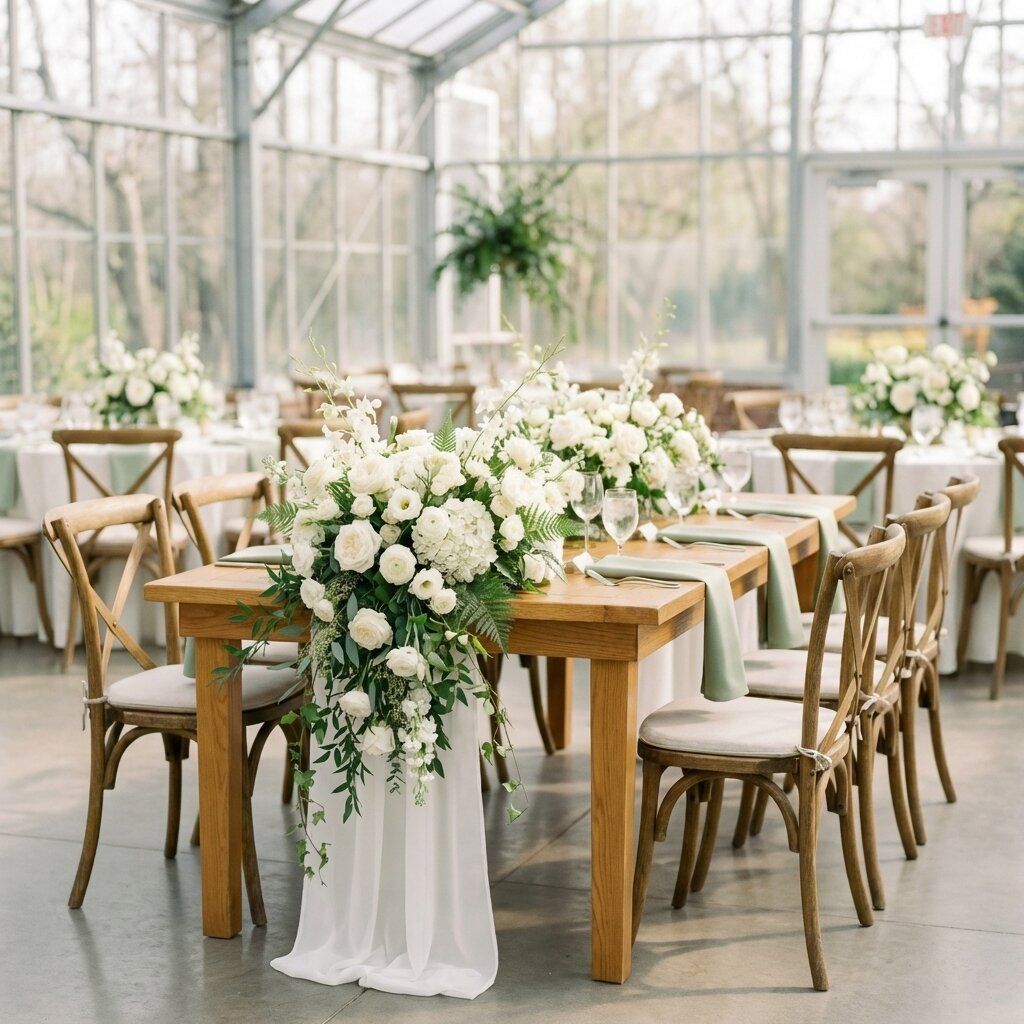
7. Photo-Realistic Mockups. A floral mockup is a photorealistic preview of an arrangement, generated from a plain text description. Here's how it works:
- Describe an arrangement in words. Flower types, colors, style, vessel, setting. The same way you'd describe it to your wholesaler.
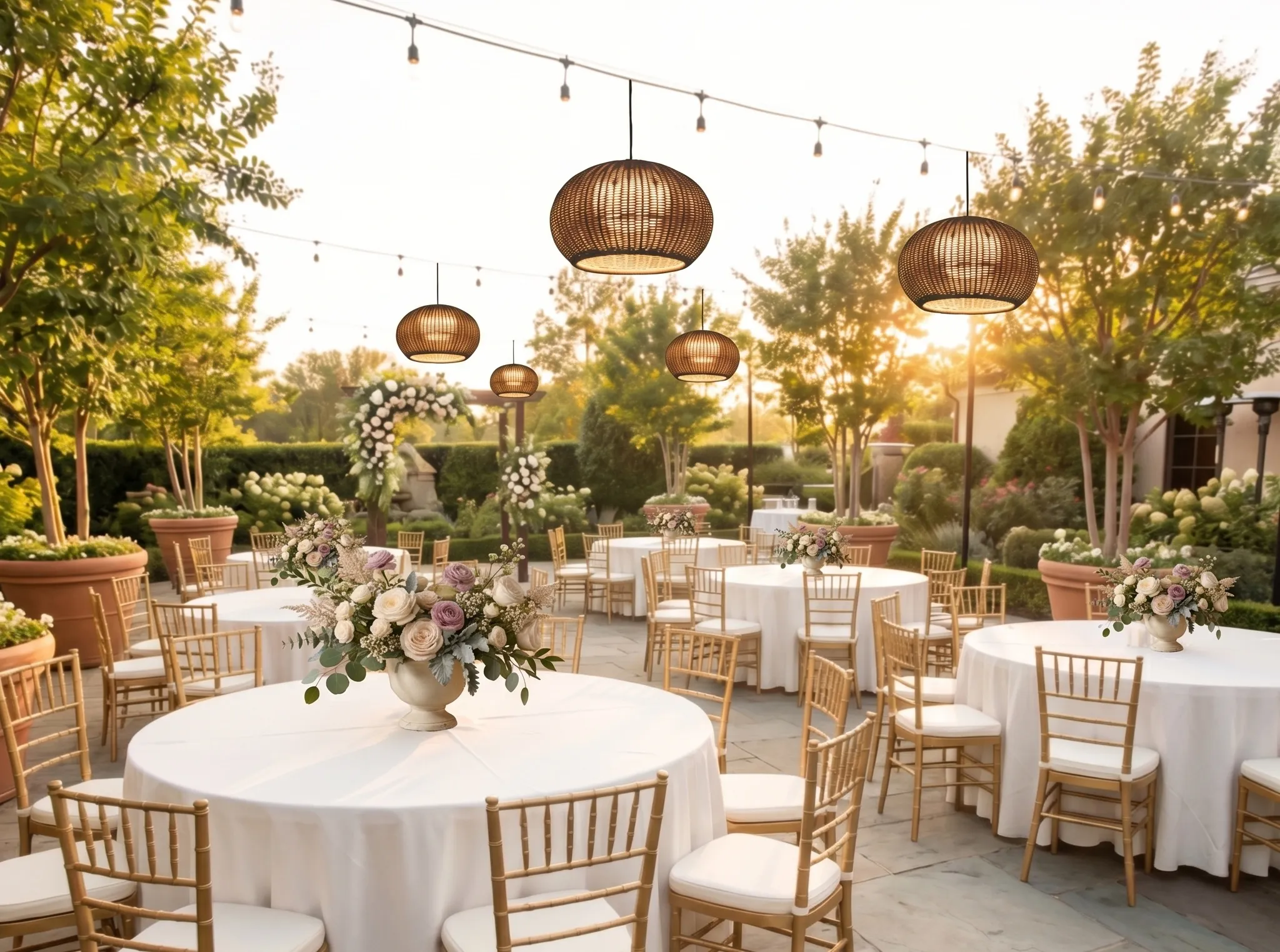
- Get a photorealistic mockup in seconds. Not a sketch. Not a collage. An image that looks like professional photography of a real arrangement.
- Refine by describing changes. Type what you want different - "swap the peonies for garden roses" or "make it more asymmetrical" - and the mockup updates in seconds.
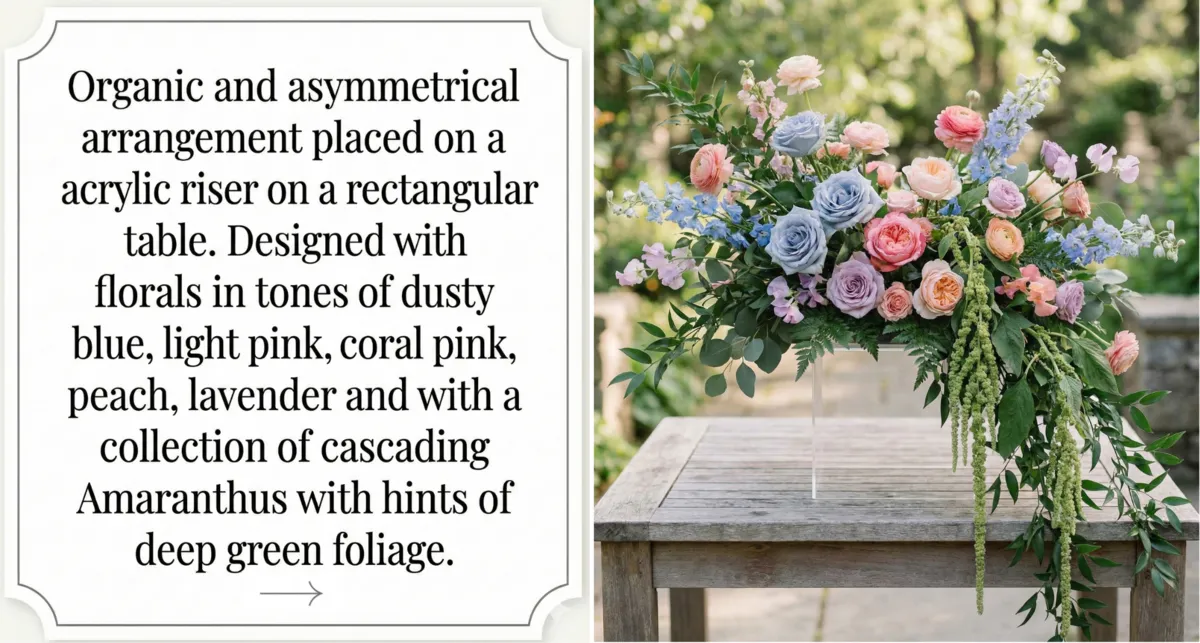
This category is still new. There are a handful of tools out there, but most are drag-and-drop builders or basic design apps that don't generate realistic mockups from text. FloraViz is purpose-built for this: you describe, it generates. No templates, no dragging flowers around a canvas. (You can see the full feature breakdown if you're curious.)
What makes this different from drag-and-drop tools? AI generates each flower as a unique instance. Varied angles. Natural overlapping. Realistic light. Stems crossing imperfectly. That's what makes the result look like a photograph, not a collage.
What Does This Look Like in a Real Florist's Workflow?
Can you picture yourself doing this in your next consultation? Here's what florists are using mockups for right now:
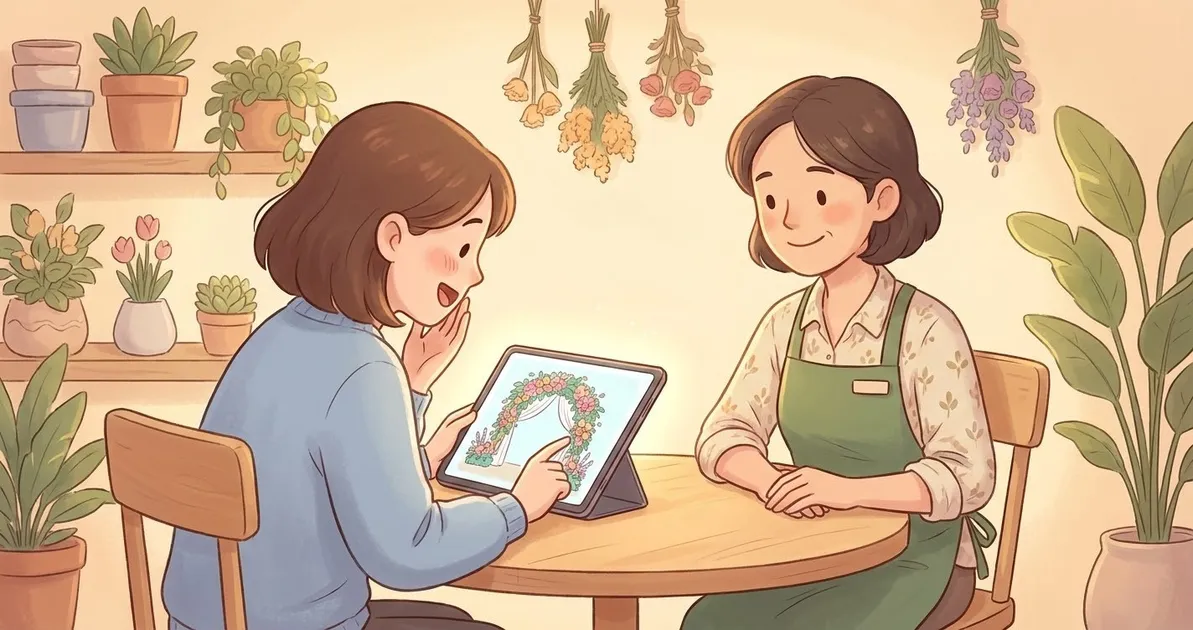
The live consultation. Your client describes what she wants. You type a quick description into your phone or tablet. Thirty seconds later, she's looking at a photorealistic mockup of her bouquet. She says "I love it but can we swap the peonies for garden roses?" You make the change. She sees the update. She books on the spot.
The proposal PDF. Instead of sending a Pinterest mood board with other people's arrangements, you send a proposal with custom mockups for each arrangement. Her bouquet, the ceremony arch, the centerpieces. Each one generated specifically for her event. She can see what she's getting.
The Instagram portfolio. Post mockups alongside finished arrangements: "client's vision, our mockup, the final result." Content that demonstrates your design skill and your process. Other couples see it and think, "I want that experience." (Want to see how fast you can create one? Check out our 90-second mockup walkthrough.)
The revision reducer. Client approves the mockup before you source a single stem. If they want changes, they see them instantly instead of imagining them. By the time you're ordering flowers, everyone has the same picture in their head.
Frequently Asked Questions
How realistic are AI-generated floral mockups?
Really realistic. Good enough to clearly show color palettes, proportions, and overall style. They're not meant to be mistaken for photos of real flowers. Think of them like an architect's rendering: detailed enough to get a confident "yes" from your client before you order a single stem.
Can I use mockups in my client proposals?
Yes, and you should. Proposales found that event proposals with strong visuals can boost conversion rates by up to 80%. Instead of describing "a lush blush-and-ivory cascading bouquet," show it. Couples book faster when they can see what they're paying for.
How much do floral mockup tools cost?
FloraViz plans start at $20/month with 10 free mockups to try before you commit. No credit card needed for the 14-day trial. Compare that to the cost of building a physical sample bouquet for every consultation, or the hours spent assembling mood boards that still don't show the client their arrangement.
Will clients expect the final arrangement to look exactly like the mockup?
Set expectations early. Add a line in your contract: mockups show the design direction, not a pixel-perfect guarantee. Flower availability and natural variation always play a role. In practice, mockups get clients 90% aligned before a single stem is ordered. That alone cuts way down on delivery-day surprises.
Try It
If you want to see what instant mockups can do for your next consultation, FloraViz offers 10 free mockups to get started. No credit card required.
Describe your client's vision in plain English. See a photorealistic mockup in seconds. Show them exactly what their flowers will look like.
Mockups are concept previews to help align on vision. Final arrangements may vary based on seasonal availability and design adjustments.

Dan Sandoval
Founder of FloraViz. After seeing the effort behind his own wedding flowers, he built a tool to save florists hours on mockups and bring total confidence to every proposal.
March 5, 2026